
Start here
How to Prepare Kendamil Formula Safely: Current U.S. Instructions
A label-first Kendamil bottle-preparation guide that reconciles the current U.S. can directions with FDA and CDC handling rules.
Read guide →
Preparation, storage, and feeding cues
Start with the preparation and storage guides when handling a bottle, then use the product and poop guides to understand label differences, normal adjustment, and signs that deserve a call to the pediatrician. These pages use current official instructions instead of treating social-media shortcuts as universal rules.
9 focused guides, all linked below

Start here
A label-first Kendamil bottle-preparation guide that reconciles the current U.S. can directions with FDA and CDC handling rules.
The complete cluster

Practical guide
A practical Kendamil clock: four weeks for opened powder when the label agrees, two hours after preparation, 24 refrigerated hours, and one hour after feeding starts.

Practical guide
Foam after shaking is expected with Kendamil; persistent clumps need a check of the current can directions, scoop ratio, mixing order, and powder storage.

Practical guide
A sourced guide to Kendamil, formula adjustment, hard baby poop, normal straining, preparation mistakes, and when to call the pediatrician.

Practical guide
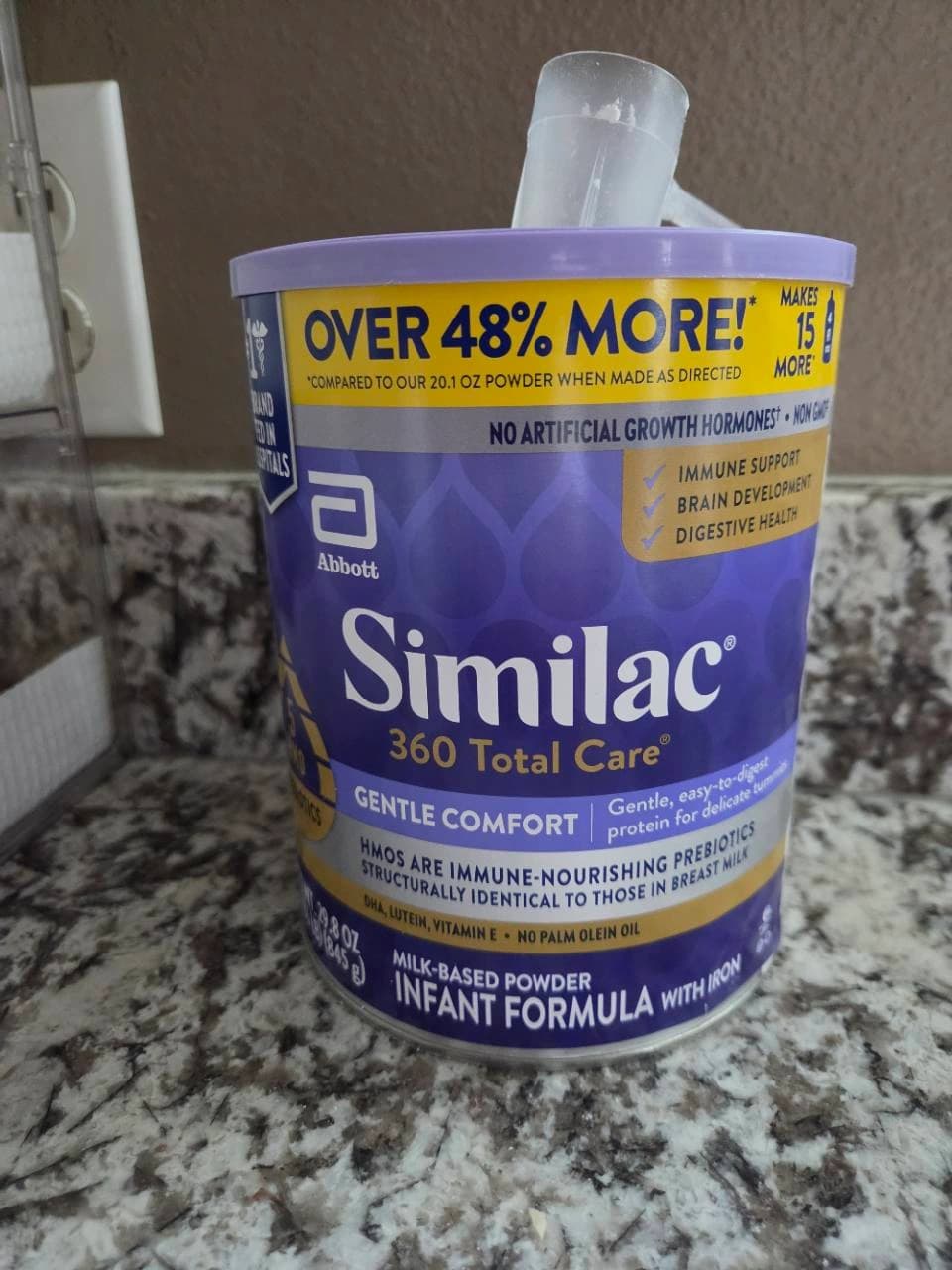
A label-first comparison of the three main U.S. Kendamil infant formulas—without pretending one can is universally best for every baby.
Practical guide
Total Comfort uses partially hydrolyzed whey protein; Sensitive keeps intact milk protein and reduces lactose. Check the exact current product name before switching.

Practical guide
A practical guide to Kroger's Comforts formula lineup, Perrigo manufacturing, cross-retailer store-brand families, labels, preparation and safety checks.

Practical guide
A parent-friendly guide to the difference between normal newborn straining, infant dyschezia, hard stool, formula changes and urgent warning signs.

Practical guide
A calm, evidence-based explanation of grunting baby syndrome, how it differs from constipation, what not to do, and when symptoms need a doctor.