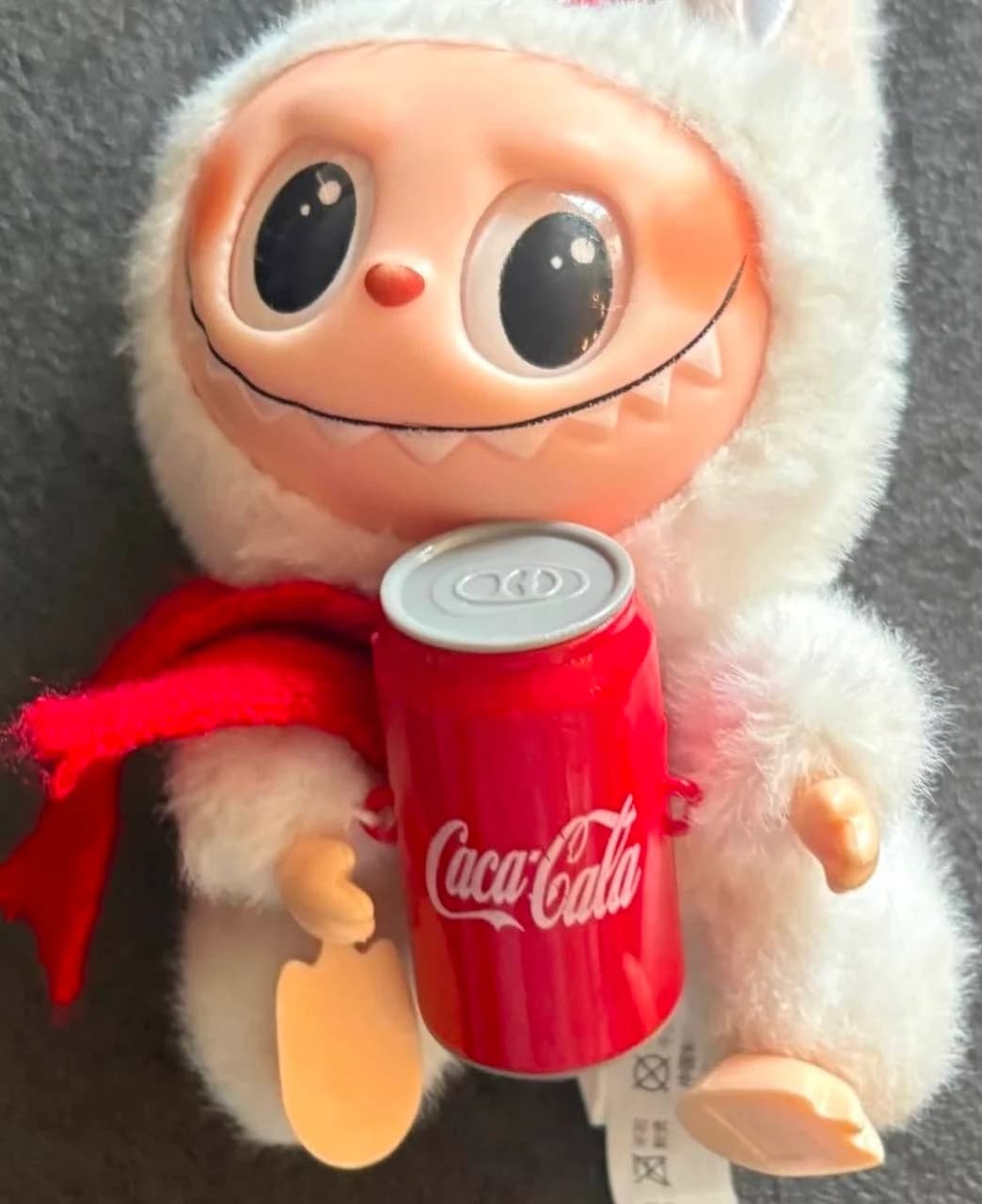
labubu

How to Spot a Fake Labubu: 9 Signs to Check Before You Buy

How to Spot a Fake Labubu: 9 Signs to Check Before You Buy
Small fluffy plush toy figurine sitting on a sunlit kitchen counter

So here's the situation. Your kid wants a Labubu. You found one on some Facebook reseller's page for half the price you saw at Pop Mart. It looks right. The picture looks right. You're about to click "buy."

Don't.

The fake Labubu market (collectors call them "Lafufu") got so big in 2025 that even Pop Mart's CEO started talking about it on news segments. ABC's Good Morning America did a whole piece on how to spot the difference. Resellers on TikTok are unboxing AliExpress fakes side-by-side with real ones to teach people what to look for. It's a whole thing.

I'm not a Pop Mart employee. I'm a mom who bought my kid two Labubus, one of which turned out to be a Lafufu. The dollar-store version. After getting burned, I went down a deep rabbit hole reading authentication threads, watching unboxing videos, and comparing my real Labubu to the fake one feature by feature. This post is the cheat sheet I wish I'd had.

Disclosure: As an Amazon Associate, I earn from qualifying purchases. This post contains affiliate links — clicking them costs you nothing extra but helps support this blog. Thank you!

The 60-Second Check: 9 Things Real Labubus Have

If you only have a minute, here are the nine things to verify. Real Labubus pass all of them. Fakes usually fail at least three.

  1. Exactly 9 teeth - count them, no more, no less
  2. Pop Mart logo embossed on the LEFT foot - clean, sharp, centered
  3. Hidden UV stamp on the RIGHT foot (2024 and newer figures only)
  4. Pale peachy face, not bright orange or pink
  5. Glossy, embedded eyes that catch the light
  6. A QR code in or on the box that opens Pop Mart's official site
  7. Matte, smooth box with muted colors
  8. Identity card with crisp printing, plus a desiccant packet
  9. Weight feels right - about 0.2 to 0.3 pounds for a standard figure

Now let me walk through each one in plain mom English, because honestly some of these you can't tell unless someone explains what to look at.


Start With the Box (Before You Even Open It)

The packaging is your first and easiest checkpoint. If something seems off here, do not open it. Returns are way easier with sealed packaging.

The Finish and Color

Real Labubu boxes have a matte finish with a soft, almost paper-like feel. The colors are muted, sometimes even a little faded looking. Fake boxes are usually glossy and shiny, and the colors come at you a little too aggressively. Like the difference between a Penguin Classics paperback and a knockoff at a flea market.

The Tiny Trash Can Symbol

Flip the box over and look for the recycling/disposal symbol on the back. There's a little arrow inside it.

  • Real: the arrow has rounded corners
  • Fake: the arrow has square corners

This is one of those weird details that fake manufacturers don't bother getting right because most buyers don't know to check. wikiHow's authentication guide flagged this and it has held up across the figures I've inspected.

The QR Code

Every modern Labubu box has a QR code. Scan it with your phone.

  • A real QR code takes you straight to popmart.com (not a redirect, not a lookalike domain)
  • A fake QR code might not load, might lag for several seconds, or might take you to a site that looks "almost like" Pop Mart's

If your toy is a 2023 or earlier release, the QR code may not exist at all. That alone doesn't make it fake. But on newer releases, no QR code is a hard red flag.

The Identity Card and Desiccant

Inside the box you should find a small printed card showing the figure's name, series, and pose. The card should feel thick and sturdy, almost like a tarot card. The print should be sharp. Colors should be vibrant.

You should also find a tiny desiccant packet (the little silica gel thing that says "do not eat"). Pop Mart includes these as standard. If the box is missing the card, missing the desiccant, or the card looks blurry or printed on flimsy paper, you're probably looking at a Lafufu.


Count the Teeth (Seriously, Just Count Them)

This is the single fastest test, and it's the one Pop Mart's own representative pointed out to Good Morning America. Real Labubus have exactly 9 teeth. Always 9. Every series, every figure, every size.

If you count 8, it's fake. If you count 10, it's fake. If you count 9 but they're connected with no spacing, or painted weirdly so you can't tell where one ends and another begins, that's also a fake.

The teeth should be:

  • Distinct and individually painted
  • Spaced cleanly with the blue mouth line visible between them
  • Sharp and pointy at the tips, not blunted

This sounds tedious but it takes 5 seconds and it has saved me from buying two different fakes off resale sites. Just zoom in on the photo before you commit.


Look at the Face (Color, Eyes, Paint)

Real Labubu faces have a soft, peachy-pale skin tone. Not white. Not cream. Definitely not orange or pink. If the figure's face looks like it has been hit with a Spray Tan filter, run.

The Eyes

Pop Mart figures are made with embedded glossy eyes. Hold the toy under a regular ceiling light and tilt it side to side. Real eyes:

  • Look glassy and reflective
  • Catch the light
  • Seem to "follow" you when you tilt the figure

Fake eyes are typically painted on top of the vinyl rather than embedded, so they look flat, dull, and a little bit dead. They might also stick out more than they should, like someone glued plastic beads on.

The Blush and Paint Quality

Authentic Labubus have a soft, blended blush across the cheeks. Fakes often have harsh circular blush that looks like someone used a Sharpie. Run your finger over the painted areas. Real paint is smooth and even. Fake paint sometimes feels chalky or you can see the brush strokes.

Look at the area where the teeth meet the mouth and where the eyes meet the face. Real figures have sharp, clean paint lines. Fakes typically have sloppy bleed-through.


Flip It Over: The Foot Test

This is where authentication actually gets fun, because you'll need a UV flashlight for one part. Worth it.

Left Foot: The Pop Mart Logo

Every real Labubu has a Pop Mart logo embossed or printed on the left foot. The logo should be:

  • Centered (not at the top or bottom of the foot)
  • Crisp and sharp, no blurry edges
  • Spelled correctly (yes, fakes routinely misspell it as "Pap Mart" or run the letters together)

If the logo is off-center, smudged, has weird kerning, or is on the right foot instead of the left, you have a Lafufu.

Right Foot: The UV-Light Hidden Stamp

This is the move that separates casual collectors from people who really know. Pop Mart added a UV-reactive hidden stamp on the right foot of all Labubu figures released in 2024 and later. It's invisible under normal light. Shine a UV/blacklight flashlight on it and you'll see a tiny silhouette of the Labubu character itself.

Cheap UV flashlights work fine for this. You can grab a basic one on Amazon and it doubles as a tool for finding pet stains and checking hotel rooms (do not Google that one if you don't want to be paranoid). I keep mine in the kitchen junk drawer now and it has authenticated three Labubus and one designer keychain so far.

If your figure is from 2023 or earlier, no UV stamp is normal. If it's a 2024+ release and the UV light shows nothing, that's a fake.

Bonus: UV Test the Nose

Some authenticators also recommend hitting the nose with UV light. Real Labubu paint has a slight glow under blacklight; fakes typically don't. Not as definitive as the foot stamp but it's another data point.


The Stitching, the Fur, and the Weight (For Plush Versions)

If you've got a plush Labubu (the keychain or the Pop Mart The Monsters plush versions), the materials check is huge.

Real plush Labubus have:

  • Soft, smooth, slightly fuzzy fur - feels like a high-end stuffed animal
  • Stitching that's hidden, even, and blends into the vinyl face cleanly
  • A gentle weight (about 0.2 to 0.3 pounds for standard size)
  • Vinyl feet that feel soft and flexible, the same texture as the face

Fakes typically have:

  • Coarse, scratchy, or shedding fur
  • Visible stitches with frayed thread ends
  • Either way too light (hollow-feeling) or oddly heavy
  • Hard, plasticky feet that feel like a totally different material from the head

The size test is also useful: a standard Labubu plush should be about as tall as the distance from the tip of your middle finger to your wrist. Fakes are often noticeably shorter (or weirdly bigger).


Where to Buy Real Labubus So You Don't Have to Do Any of This

Honestly the easiest authentication strategy is to never buy from a sketchy source in the first place. Pop Mart told Good Morning America there's a short list of stores that are guaranteed to sell authentic figures:

  • Pop Mart retail stores - physical locations in cities like LA, NYC, Vancouver, Toronto, plus locations in Asia and Europe
  • Pop Mart's official app - direct from the source
  • Pop Mart Robo Shops - those vending machine kiosks in malls
  • Pop Mart's official TikTok Shop - verified storefront only
  • Amazon's official Pop Mart storefront - search Pop Mart on Amazon and look for the "Sold by Pop Mart" line under the price
  • Pop Mart's official booth at conventions like San Diego Comic-Con

If a listing isn't from one of these, even on Amazon, you're rolling the dice. Big Amazon marketplace sellers are full of fakes, and the Amazon Pop Mart official store is the only Amazon source Pop Mart actually verifies.

For a deeper dive on safe online sources, including which marketplaces to avoid completely, I covered all of it in my Labubu where to buy guide. For the bigger picture on series, prices, and the whole Labubu universe, check out the complete Labubu guide. And if you want a side-by-side breakdown of fake versus real with a focus on the keychain version specifically, this post on Lafufu vs Labubu walks through it.


What to Do If You Already Bought a Fake

If you're reading this and getting that sinking feeling, here's the play:

  1. Do not destroy the packaging. You'll need it for a return.
  2. Take photos of every red flag you can find: missing QR code, wrong teeth count, off-center logo, etc.
  3. Contact the seller first through whatever platform you bought from (eBay, Facebook Marketplace, AliExpress, etc.). Most platforms have buyer protection that covers counterfeit items.
  4. Open a dispute with your credit card or PayPal if the seller stalls. Counterfeit goods are explicitly covered under most chargeback policies.
  5. Report the listing so other parents don't get caught.

If your kid still wants the Lafufu as a toy, that's fine too. They're not dangerous, just not authentic. Just don't pay Labubu prices for one.


Frequently Asked Questions


The Bottom Line

The Lafufu market is not going away. Pop Mart keeps adding authentication features (the UV stamp was a new 2024 addition) but counterfeiters keep getting better. Your best protection is buying from the short list of verified sources: Pop Mart direct, the official app, Robo Shops, the official Pop Mart Amazon storefront, and verified Pop Mart booths at conventions.

If you're buying anywhere else, run the 9-point checklist. Count the teeth. Check both feet. Hit it with a UV light if it's a 2024+ figure. Squeeze the box. Read the QR code.

It feels like a lot for one little plush toy. But once you've done it twice it becomes muscle memory. And honestly, my kid still treats both her Labubus the same, real or Lafufu. The difference matters more for collectors and for whether you're paying real-Labubu prices.

Just don't pay real-Labubu prices for a knockoff. That's the whole game.

Comments