
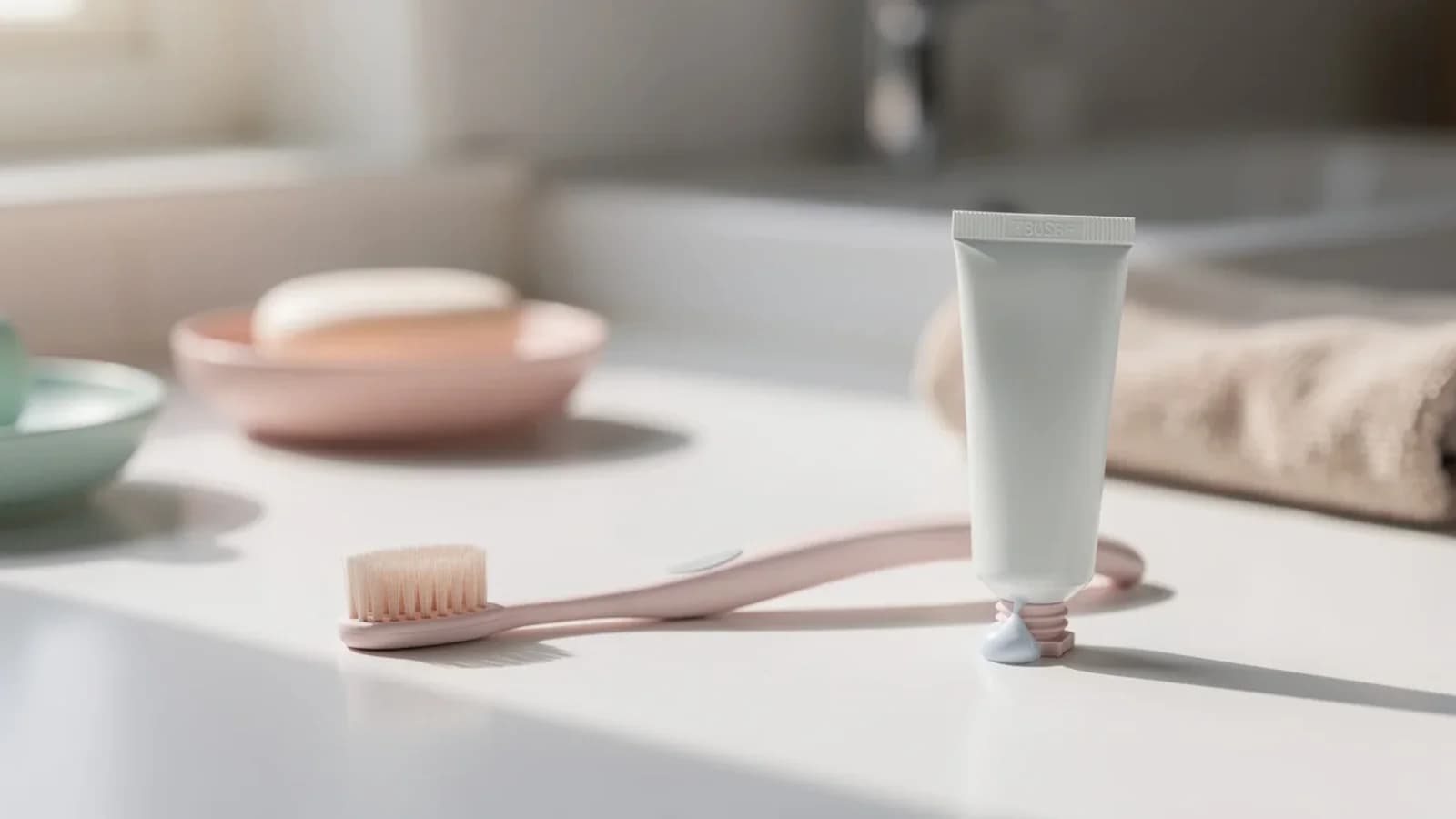
Shopping for a baby toothbrush sounds like it should take about 90 seconds, and then suddenly you are staring at finger brushes, banana brushes, training toothbrushes, silicone nubs, and a suspicious number of pastel animals.
The good news is that this is one of those baby categories where simpler usually wins. You do not need the fanciest thing. You need the toothbrush your baby will tolerate, the one you can hold easily, and the one with soft bristles that actually fit a tiny mouth.
If you are already in practical-baby-gear mode, this pairs nicely with my posts on 3 months with a newborn, baby laundry detergent, and best umbrella strollers.
Start with the one question that matters most
Before you compare colors, kits, or gimmicks, ask this first: what stage is your baby actually in?
That matters more than brand.
A baby with no teeth does not need the same thing as a baby with two bottom teeth, and that baby does not need the same thing as a toddler who insists on “doing it myself” while brushing one random cheek.
In general, shopping gets easier when you think in three stages:
- Pre-tooth or early teething stage: gum massage tools or soft silicone options
- First teeth stage: a very small brush head with extra-soft bristles
- Older baby or toddler stage: a short-handled training toothbrush that is easy for parents to guide
That alone cuts through a lot of the clutter.
What I would look for before buying any baby toothbrush
If I were choosing one today, this is the checklist I would use:
- Extra-soft bristles if the brush is meant for actual teeth
- A very small head that fits easily in a baby's mouth
- A chunky, easy-grip handle so it is not slippery when you are brushing a wiggly child
- A guard or short neck on self-feeding style brushes, if applicable
- Simple cleaning instructions because baby gear that is annoying to wash gets abandoned fast
A lot of baby toothbrushes are sold on looks first. Cute is fine. But cute does not matter if the head is too bulky, the handle is awkward, or the bristles look rough.
If you want to browse without locking into one exact brand yet, these are the search buckets I would start with:
The easiest way to choose by age and stage
For babies who are mostly teething
At this stage, many parents end up looking at silicone finger brushes or chewable training brushes. The goal here is usually familiarity and gentle gum contact, not perfect brushing technique.
This kind of option can make sense if your baby is still in the “everything goes in the mouth” season and you mainly want a soft, low-pressure introduction.
For babies with a few teeth coming in
This is where a real baby toothbrush usually becomes the more practical pick. Look for a tiny brush head and very soft bristles. You want enough structure to clean small teeth without making brushing feel aggressive.
This is usually the sweet spot for a plain, boring, parent-held toothbrush, which honestly tends to work better than the novelty-shaped stuff.
For older babies and young toddlers
Once your child wants to grab the brush too, a training toothbrush with a thick handle can help. Just know that “my toddler holds it” and “their teeth got brushed well” are not always the same event.
The parent-friendly version is often one brush for them to practice with and one brush you use to finish the job properly.
Features worth paying for, and features I would skip
Some upgrades are useful. Some are just packaging with a marketing budget.
Worth paying for
- Truly soft bristles
- A compact head
- A handle that feels secure in adult hands
- A travel cap or two-pack if you know one will disappear into diaper-bag chaos
Usually skippable
- character-heavy designs that make the brush bulky
- giant kit bundles you may not actually use
- brushes that seem designed more for chewing than cleaning once teeth are in
- anything that feels hard, scratchy, or weirdly oversized
This is one of those categories where the best buy is often the least dramatic one.
A simple shopping shortlist for overwhelmed parents
If your brain is tired and you just want a direction, here is the simplest breakdown.
Choose a finger brush if your baby is still mostly toothless and you want a gentle teething-era option.
Choose a tiny extra-soft toothbrush if your baby has visible teeth and you want the most straightforward everyday pick.
Choose a training toothbrush if your older baby wants independence and you still plan to help.
Choose a two-pack if you know one will live in the bathroom and one will end up in the diaper bag, overnight bag, or under the couch.
That is really the whole strategy.
The bottom line on buying a baby toothbrush
The best baby toothbrush is not the cutest one or the trendiest one. It is the one that matches your baby's stage, has soft bristles, fits a tiny mouth, and is easy enough that you will actually keep using it.
If your baby is very young, start simple. If teeth are coming in, move to a small soft-bristle brush. If your toddler wants in on the process, let them practice, but keep one eye on the actual brushing part.
You do not need a whole oral-care starter ecosystem. You need one solid little brush and realistic expectations.