
If you are here because you had a little box-dye confidence and now your bathroom lighting has turned against you, I get it. Hair dye remover is one of those things you do not think about until you need it immediately. And once you need it, every article online starts sounding either wildly dramatic or way too casual about what is basically a chemistry experiment on your head.
So here is the plain-English version.
A good hair dye remover can help, especially if you are dealing with unwanted permanent or demi-permanent color. But not every remover works on every kind of dye, and not every internet hack deserves a spot anywhere near your hairline. If I had to sum it up in one sentence, it would be this: match the remover to the mistake.
The Fast Answer: What Hair Dye Remover Actually Does
Hair dye remover is meant to target artificial color already sitting in the hair shaft. A true remover is not the same as bleach. Bleach lifts both natural pigment and artificial pigment. Remover is usually trying to shrink or loosen artificial dye molecules so they can rinse back out.
That distinction matters because it changes what result you should expect.
- If you used a permanent box dye, a remover can often back you up a few steps.
- If you used a semi-permanent or fashion color, clarifying and direct-dye-specific options may work better.
- If your hair has years of dark buildup, one remover session probably will not magically restore your original shade.
That is the part I wish more people said out loud.
Permanent Dye vs. Semi-Permanent Dye: Pick the Right Fix
Before you buy anything, figure out what type of color is on your head.
If you used permanent or demi-permanent box dye
This is where a classic color remover makes the most sense. Products in this category are made for oxidative dye, which is the kind of color most drugstore boxes use.
If you need a starting point, look at:
If you already know you are considering Color Oops specifically, I would also read my full Color Oops review and how-to guide before you start.
If you used semi-permanent color
This is a different lane. Semi-permanent dye often sits more on the surface and fades more with washing. A strong clarifying shampoo, hot water rinses, and patience may do more than a permanent-color remover.
For direct dyes like vivid pink, blue, purple, or red, you may need a remover made for direct dye, not a remover aimed at box dye.
If you used henna or metallic dye
I would not play kitchen chemist here. This is salon territory. Some color systems react badly when layered over those products, and that is not the kind of surprise anyone needs.
The Removers That Tend to Work Best
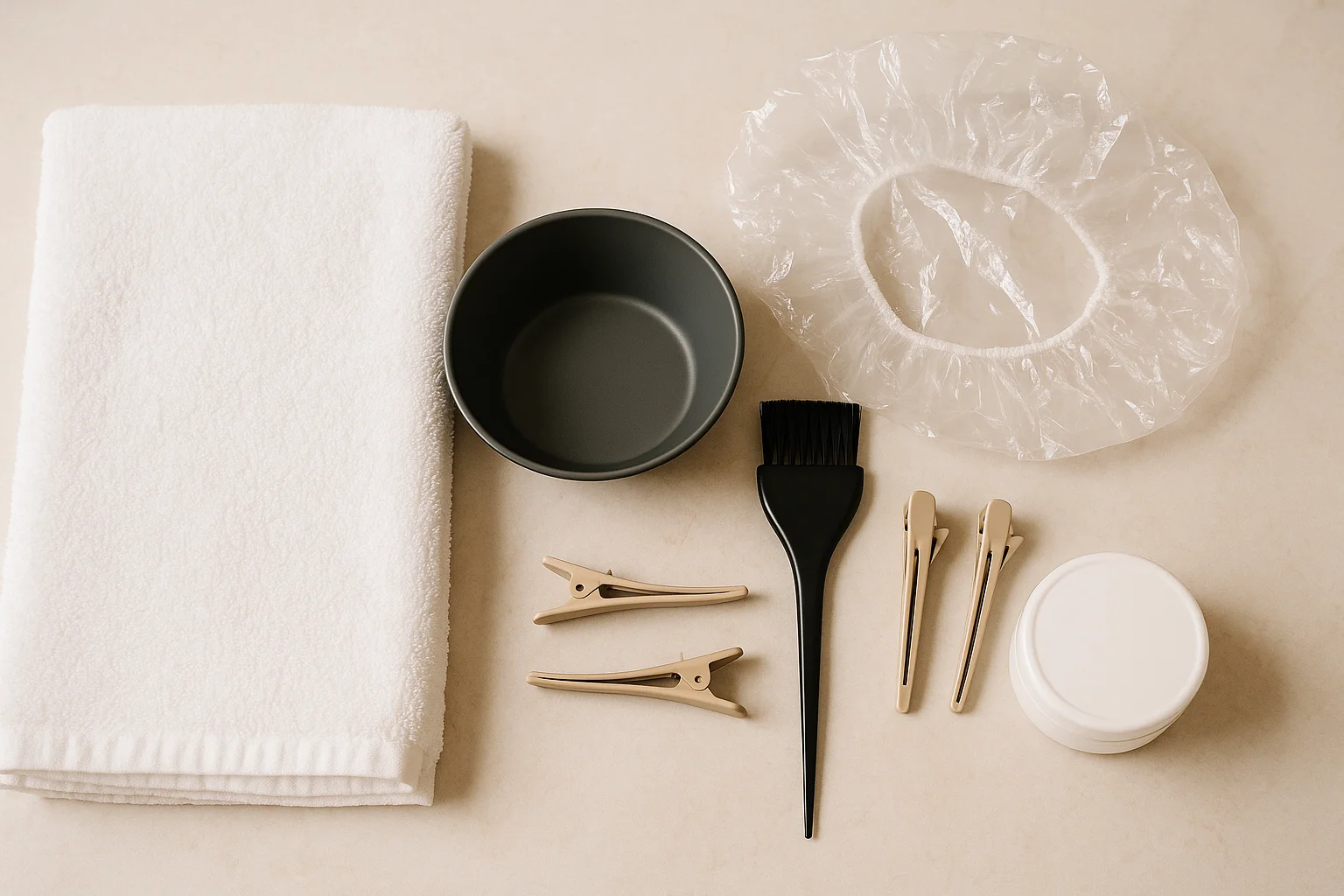
There is no single best hair dye remover for every situation, but there is a pretty clear order of operations.
1. Start with a real color remover for permanent dye
This is the move when your hair is too dark, too muddy, too warm, or just not what the box promised. A true remover is usually your gentler first step before you even think about bleach.
What it is good at:
- Backing out fresh or recent permanent color
- Removing some artificial buildup
- Giving you a cleaner base before re-coloring
What it is not good at:
- Turning black dye into blonde in one afternoon
- Restoring your natural color perfectly every time
- Fixing hair that is already severely overprocessed
2. Use clarifying shampoo for semi-permanent mistakes
This is boring advice, which is exactly why it is good advice. Not every mistake needs a dramatic fix. Repeated clarifying washes can help fade fresh color enough that the next plan becomes easier.
3. Save bleach for when you truly need lift
Bleach is not the same as remover. If your actual goal is to go significantly lighter, bleach may eventually be part of the plan, but I would still rather remove artificial dye first if possible. Cleaner starting point, less chaos.
What I Would Not Rush to Put on My Head
The internet loves a miracle fix. The problem is that some of those miracle fixes are mostly just harsh, drying, or inconsistent.
I am especially cautious with:
- dish soap as a repeated treatment
- baking soda pastes
- lemon juice mixtures
- back-to-back stripping methods in the same day
Can some of these fade color a little? Sometimes. Can they also leave your hair feeling like a broom you are now emotionally attached to? Also yes.
If your hair already feels compromised, skip the DIY heroics and use the gentlest effective option first.
How to Use Hair Dye Remover Without Making Things Worse
This is the real-mom part of the post, because this is where good intentions go off the rails.
Do a strand test
I know. Nobody wants to. Do it anyway. One hidden section can tell you whether you are about to get a soft correction or an orange panic spiral.
Saturate fully
Half-coverage gives half-chaos. If you are using a remover, you need even saturation or the result gets patchy fast.
Rinse way longer than you think
This is the step people cut short and then regret. If the remover instructions say rinse thoroughly, believe them. A rushed rinse is how people end up thinking the product failed when the color was not fully washed back out.
Condition immediately after
Even a gentler remover can leave hair dry and rough. Use a real conditioner or mask, then leave your hot tools alone for a day or two.
Wait before you recolor if you can
Freshly processed hair is not exactly calm and balanced. Give it a little time. If you jump straight into a new dye right away, it can grab darker or patchier than expected.
What Results Are Realistic?
This is where expectations matter more than optimism.
If your color mistake is recent and you only have one layer of dye, you have a much better shot at a satisfying correction. If you have months of dark buildup, old highlights underneath, and three different box shades in your history, your result may be more of a reset than a total undo.
A few common real-life outcomes:
- Too-dark brown dye: often lightens enough to re-tone or re-color.
- Black box dye: usually shifts warmer and lighter, but not all the way back.
- Red dye: can be stubborn and leave warmth behind.
- Semi-permanent fashion shades: may fade unevenly and need repeated gentle washing or a direct-dye-specific remover.
If you want the polished version of what results can look like on a named remover, my Color Oops before-and-after breakdown goes deeper on that.
When Hair Dye Remover Is the Wrong Tool
Sometimes the smartest answer is not another product.
A remover is probably not the right next step if:
- your hair is already stretchy, mushy, or breaking
- you have bleach damage and your ends feel fried
- you used henna or metallic dye
- you need a major color correction before an event tomorrow
That is when I would stop trying to win alone in my bathroom and call a professional.
My Best Practical Plan for a Hair Color Emergency
If a friend texted me a mirror selfie and said, "Help, what do I buy," this would be my order of operations:
- Figure out whether the color is permanent or semi-permanent.
- Buy the gentlest real fix that matches that dye type.
- Do a strand test.
- Remove once, rinse thoroughly, deep condition.
- Reassess in daylight.
- Only then decide whether you need another remover round, toner, recolor, or salon help.
That middle step matters. Most hair disasters get worse because people panic and stack too many big moves too quickly.
Frequently Asked Questions
Frequently Asked Questions
What is the best hair dye remover for permanent color?
Does hair dye remover damage hair?
Can hair dye remover take out black box dye?
What removes semi-permanent hair dye fastest?
Can I dye my hair again right after using a remover?
Should I use bleach instead of hair dye remover?
Related Posts
- Color Oops Review: Does It Work?
- Color Oops Before and After: What to Expect
- Color Oops Alternatives That Make More Sense for Some Hair
If you are standing in your bathroom right now trying to decide whether to cry, wash it again, or open your laptop and panic-order three products at once, my vote is this: slow down, identify the kind of dye you used, and make one smart move at a time. That alone will save you a lot of grief.